
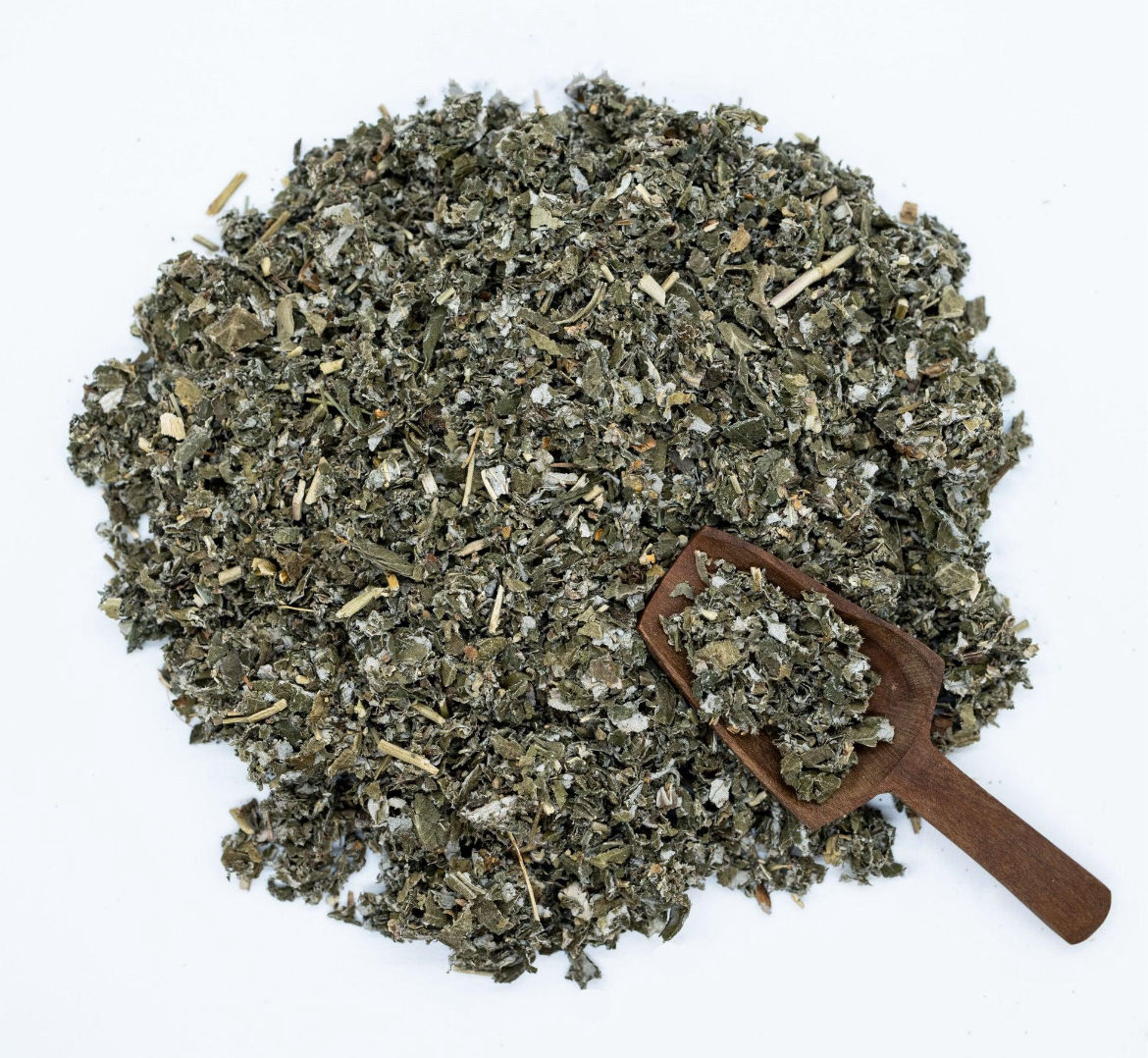
Red Raspberry Leaf — The Garden's Feminine Wellness Botanical
Women's Wellness • Traditional Menstrual Support • Digestive Comfort • Plant-Based Antioxidants • Herbal Self-Care
Discover Red Raspberry Leaf, a time-honored botanical traditionally celebrated in women's herbal wellness and nourishing tea rituals.
Harvested from the leaves of the red raspberry plant (Rubus idaeus), this naturally caffeine-free herb offers a smooth, earthy infusion with a pleasantly tannic finish.
Red raspberry leaves contain naturally occurring tannins, flavonoids, and other plant compounds. They have a long history of traditional use in menstrual and reproductive wellness practices, although many commonly advertised benefits remain scientifically unproven.
Red Raspberry Leaf
Product Details
Ingredients: 100% Dried Red Raspberry Leaf (Rubus idaeus L.)
Form: Loose Cut & Sifted Dried Leaves
Net Weight: 8 oz (190 g)
Caffeine: Naturally Caffeine-Free
Flavor Profile: Earthy, Mildly Tannic, Smooth
Storage: Keep tightly sealed in a cool, dry location away from heat, direct sunlight, and moisture.
Who May Enjoy Red Raspberry Leaf?
Adults interested in traditional women's herbal wellness.
Customers who enjoy earthy, caffeine-free teas.
Individuals exploring traditional menstrual comfort rituals.
Herbal enthusiasts building a home botanical cabinet.
Customers interested in plant-based antioxidant compounds.
Those seeking alternatives to caffeinated beverages.
Garden Wellness Tip
For a naturally caffeine-free women's self-care blend, pair raspberry leaf with red and pink rose petals and a small amount of lemon balm.
How to Use
Hot Red Raspberry Leaf Tea
Add 1–2 teaspoons of dried red raspberry leaf to 8 oz of freshly boiled water.
Cover and steep for 10–15 minutes.
Strain thoroughly.
Enjoy warm, plain, or with lemon.
Iced Raspberry Leaf Tea
Add 2 teaspoons of dried leaves to 8 oz of hot water.
Steep for 15 minutes.
Strain and cool.
Serve over ice.
Herbal Blending
Combine raspberry leaf with rose petals for a delicate floral infusion, or with spearmint for a refreshing herbal blend.
Suggested Use: Begin with one cup to assess tolerance. There is no established clinical therapeutic dose for raspberry leaf tea.
Benefits & Traditional Uses
Women's Wellness & Menstrual Comfort
Traditionally used in herbal preparations for mild menstrual discomfort.
European traditional herbal medicine recognizes raspberry leaf for relief of minor menstrual spasms in adults, based on longstanding use rather than strong clinical evidence.
Can be incorporated into a comforting tea ritual during menstruation.
Has not been proven to regulate menstrual cycles, correct hormonal imbalances, or treat PCOS, fibroids, or endometriosis.
Uterine & Reproductive Wellness
Historically described as a uterine tonic in traditional herbal practices.
Laboratory studies have investigated effects on uterine smooth muscle, with mixed findings.
There is insufficient clinical evidence that raspberry leaf strengthens the uterus, improves fertility, prevents miscarriage, or makes labor safer or easier.
Pregnant customers should not use raspberry leaf medicinally without approval from their obstetric clinician or midwife.
Digestive & Gut Wellness
Traditionally used for mild diarrhea because of its tannin content and astringent properties.
Can be enjoyed as a warm, caffeine-free infusion.
May complement hydration and gentle dietary routines.
Persistent diarrhea, blood in stool, or dehydration requires medical evaluation.
Antioxidant & Cellular Wellness
Contains flavonoids and other phenolic compounds.
Raspberry leaf extracts have demonstrated antioxidant activity in laboratory studies.
Provides a plant-based addition to a varied wellness routine.
Drinking raspberry leaf tea has not been proven to prevent chronic disease.
Skin & Botanical Beauty
Tannins have astringent properties and are sometimes used in traditional topical herbal preparations.
Raspberry leaf extracts have been studied for antioxidant activity.
Drinking the tea has not been shown to clear acne, stimulate collagen, or improve skin firmness.
Mineral & Nutritional Wellness
Raspberry leaves contain naturally occurring minerals, including calcium, magnesium, and potassium.
The amount transferred into brewed tea varies by leaf composition and preparation.
Raspberry leaf tea should not be marketed as a reliable treatment for mineral deficiencies without laboratory nutrient testing.
Weight Management & Body Wellness
Naturally low in calories when prepared without sugar.
Can replace sweetened beverages in a balanced nutrition plan.
Offers a caffeine-free hydration option.
Has not been proven to reduce belly fat, increase glute size, or change body composition.